


[User story] Better data, better care
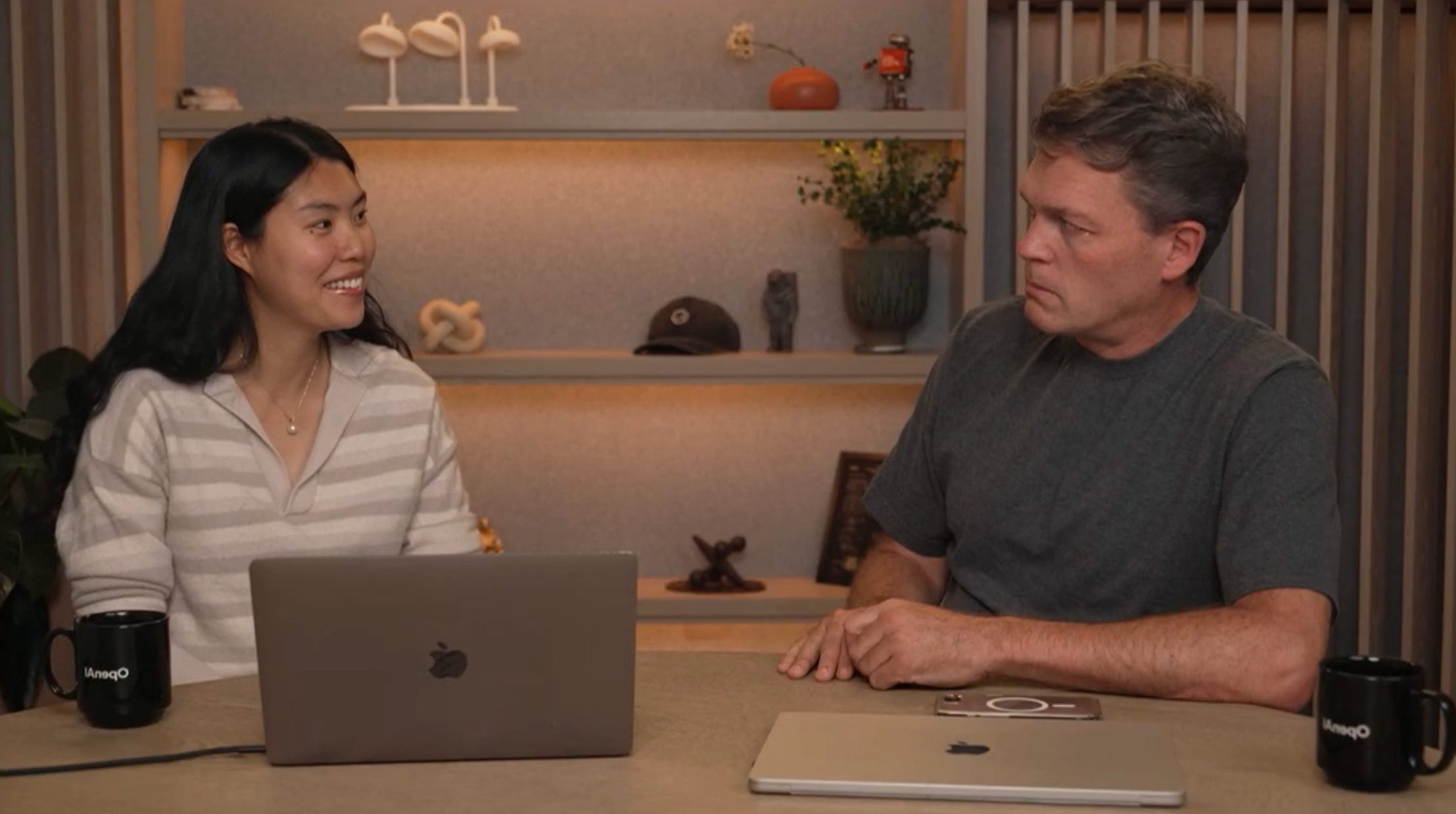
On the OpenAI Forum today, I interviewed Amy Deng about how she used AI tools to navigate the debilitating fatigue that came after her brain tumor. She used AI to identify the health data she should track, collect that data, and analyze it so that she and her doctors can make better decisions faster.
After two surgeries to remove a benign pituitary tumor, Amy, an AI researcher in the San Francisco Bay Area, was managing an ongoing condition and taking long-term medication. She described going from bubbly and energetic to barely managing part-time work. On a bad afternoon, walking a few blocks could be difficult. Sometimes she was too exhausted to type up her symptoms. Yet that information was useful for helping her doctors get a better pulse on what’s happening.
Amy built simple workflows with Codex for herself that made it easier to capture data about her activities and symptoms via voice transcription. Then she analyzed that data with Codex and ChatGPT Health by comparing it with other health records. She needed clinicians working across specialties for her care, so she began aggregating all information sources in one place so that she and her doctors could see the whole picture.
Before meeting a dietician, Amy sent several days’ worth of food logs alongside her symptoms and glucose data. The dietitian could see at the first appointment that she was probably eating too little, especially carbohydrates. Amy said that without this preparation, they might have spent weeks more collecting logs before reaching the same insight.
Her records also helped her investigate medication dosing and low ferritin, an iron-related blood marker. They showed her that exercise and blood-sugar fluctuations were not to blame, so she could avoid giving up activities or foods and focus on what might actually move the needle.
I was struck by how her AI use made her medical appointments more effective: her clinicians could interpret the data and decide what deserved investigation, rather than send her home to collect missing information. ChatGPT helped Amy participate more fully in those decisions and focus her limited energy on recovery.
She says she is now basically back to normal. And her own experience convinced her the real bottleneck in AI for health isn't capability; it's adoption. Today, Amy works with families to build custom tools and advise them on using AI to improve their own care. – Chris Nicholson, OpenAI Global Affairs
Join the OpenAI Forum to access dozens of talks by practitioners like Amy about how they’re using AI in their work and everyday life

Research this https://myob371.substack.com/p/my-journey-with-ai?utm_source=share&utm_medium=android&r=770tqq